Seize the Data #10 - Navigating the Future of BI Migrations with iLink Digital
The conversation emphasizes the need for a unified data platform, the role of AI in enhancing data quality, and the necessity of having a clear strategy and data assessment before initiating migrations.
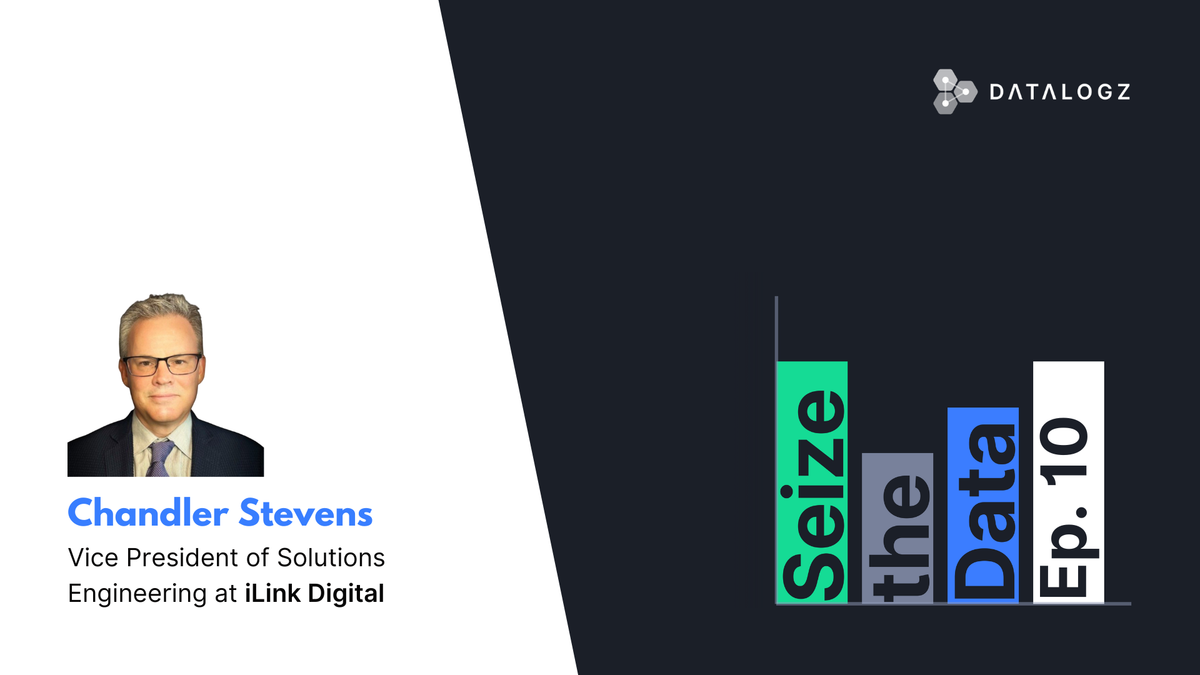
In this episode of Seize the Data, Logan Havern hosts Chandler Stevens from iLink Digital and Anouk Gorris from Datalogz to discuss the intricacies of BI migrations. They explore the motivations behind companies migrating to platforms like Microsoft Fabric and Power BI, the challenges faced during the migration process, and the importance of change management and governance. The conversation emphasizes the need for a unified data platform, the role of AI in enhancing data quality, and the necessity of having a clear strategy and data assessment before initiating migrations.
Seize the Data is an initiative by Datalogz to host conversations with data leaders to gather and share insights about what's happening and what's to come in the space. Find out more about us here: datalogz.io.
Frequently Asked Questions
Common questions about this topic, answered.
What are the main reasons companies migrate to Microsoft Fabric or Power BI?
Companies typically migrate to Microsoft Fabric and Power BI to consolidate their data infrastructure into a unified platform, reduce licensing costs across multiple tools, and leverage native integration with the Microsoft ecosystem. Organizations also seek improved governance capabilities and the ability to use AI-enhanced features for data quality and analytics.
What are the biggest challenges during a BI migration project?
The biggest challenges include managing change across the organization, ensuring data governance standards carry over to the new platform, and accurately assessing which assets to migrate versus retire. Without proper data assessment upfront, companies often migrate unused or duplicate content, creating sprawl in the new environment—Datalogz has identified over 1.4 million optimization issues across customer BI environments, many related to migration-inherited sprawl.
How should I prepare for a BI platform migration?
Start with a comprehensive data assessment to understand what assets exist, their usage patterns, and their business value. Tools like Datalogz can audit and score BI assets across platforms like Tableau, Power BI, and Qlik to help prioritize what to migrate. Having a clear migration strategy and governance framework before you begin prevents carrying technical debt into your new environment.
Why is change management important in BI migrations?
Change management ensures user adoption and prevents shadow BI from emerging after migration. Without proper training and communication, users often recreate reports in unauthorized tools or resist using the new platform entirely. Successful migrations pair technical execution with stakeholder alignment and ongoing governance to sustain long-term value.
How does AI help with BI migration and data quality?
AI can accelerate migration by automatically mapping data lineage, identifying data quality issues, and suggesting optimizations for report consolidation. During migrations to platforms like Microsoft Fabric, AI-powered tools help validate data accuracy and flag governance gaps. Datalogz leverages metadata extraction and complexity scoring to help enterprises manage migrations across 720,000+ BI assets.