Data Dive #39: Duplicate BI Reports Are Costing You More Than Money 📊 + What We've Been Up To
This isn’t just about having similar-looking dashboards; it’s the silent duplication of reports, data models, and calculations across and within your BI systems.

In today’s complex data landscape, organizations leverage multiple BI platforms like Power BI and Tableau for strategic insights. Yet, a pervasive and often hidden challenge exists: BI similarity.
This isn’t just about having similar-looking dashboards; it’s the silent duplication of reports, data models, and calculations across and within your BI systems, which happens when different departments create their own dashboards to solve the same problem, effectively creating multiple, often conflicting, data products addressing the same need.
This silent overlap isn’t harmless – it actively drains budgets, introduces widespread inconsistencies, and risks critical decisions being based on outdated or conflicting information lurking in different systems.
Engage Reception at the Delta Flight Museum

What an incredible week for Datalogz at the Engage Cohort 14 Executive Reception in Atlanta! We had the chance to present at the Delta Flight Museum and showcase how BI Sprawl is holding back enterprise decision-making and how we’re solving it. Sharing the stage with some of the top startups in enterprise tech and speaking directly to leaders from Fortune 500 companies was a true highlight.
Huge thanks to the Engage team and Delta Air Lines for hosting us. We’re proud to officially join the Engage network and graduate alongside standout startups like Autonoma, HeroWear, and others. The energy, collaboration, and commitment to innovation in Atlanta is inspiring and we’re just getting started.
An Evening of Insights and Innovation
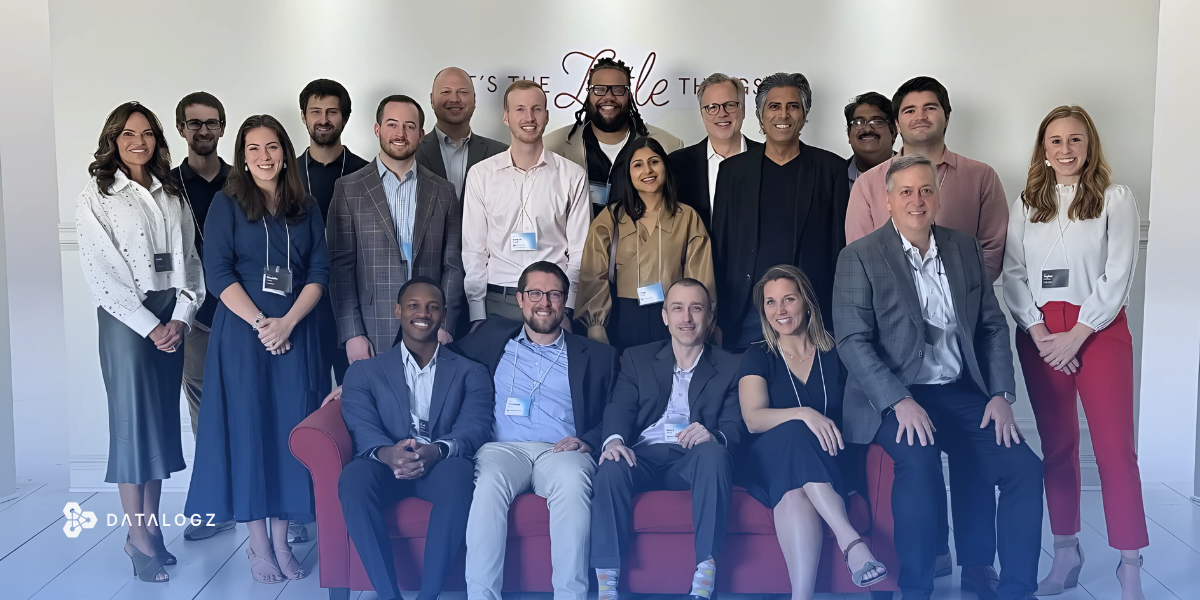
We had a fantastic evening at the Chick-fil-A Corporate Support Center in Atlanta last week! Huge thanks to the Chick-fil-A team for the incredible hospitality and to Engage for creating space for meaningful conversations between founders and executives.
From candid chats about shared challenges to some seriously good chicken, it was a night that perfectly captured the spirit of community and collaboration driving Atlanta’s innovation ecosystem.
Breaking Bread with Data Leaders

Last week, we co-hosted an intimate dinner at Canoe Restaurant in Atlanta alongside our friends at Qualytics. Set against the peaceful backdrop of the Chattahoochee River, the evening brought together a dynamic group of data leaders to dive into the evolving intersection of business intelligence, data quality, and AI.
From the conversations around data trust to the shared challenges of scaling insights across teams, the night was filled with thoughtful dialogue and meaningful connections.
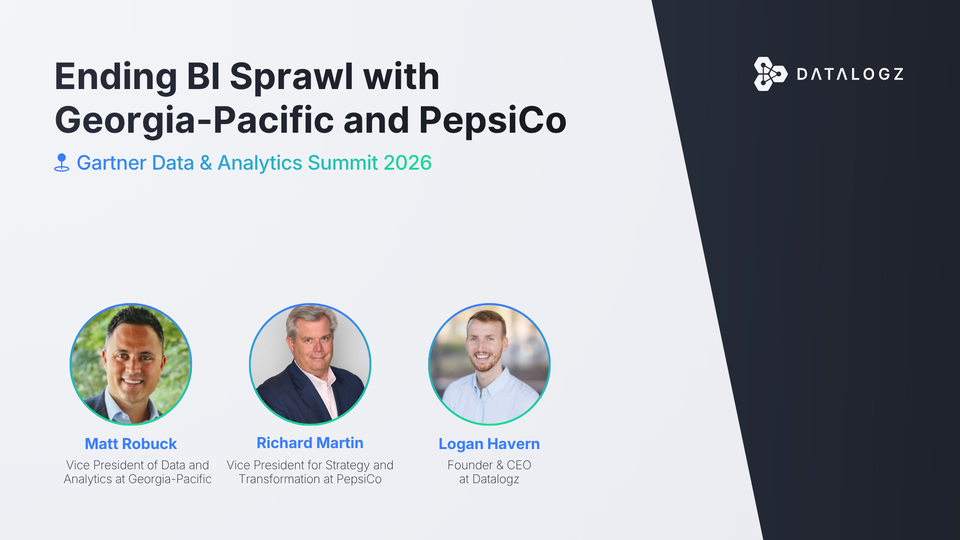
Datalogz at Gartner Data & Analytics Summit 2025
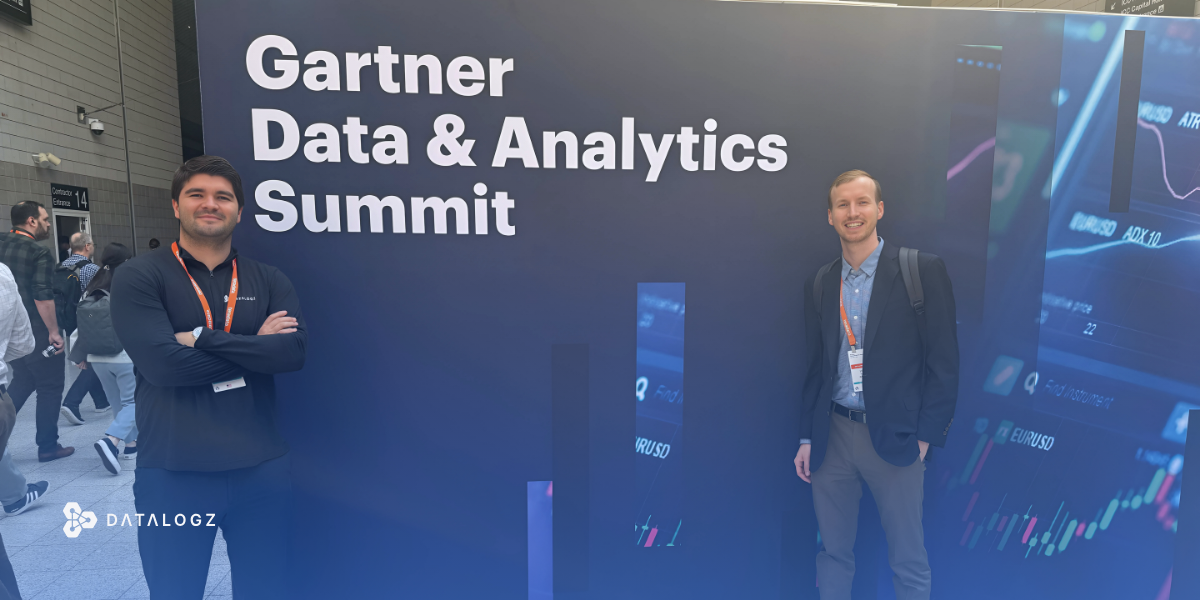
We recently attended the Gartner Data & Analytics Summit 2025 in London and the conversations didn’t disappoint. The spotlight was back on BI, with AI increasingly embedded directly into platforms where teams already work, like Power BI and Tableau.
Key themes that stood out across sessions included:
- Metadata’s growing role in enabling smarter data governance
- Scalable analytics that can keep up with enterprise complexity
- Thoughtful controls as AI becomes more integrated into daily workflows
It’s clear that the future of analytics isn’t about flashy new tools, but about making sure the ones we already use are smarter, safer, and more connected. That’s exactly where Datalogz fits in.
We’re excited to keep building toward a BI ecosystem that’s not only efficient, but also trustworthy.
Frequently Asked Questions
Common questions about this topic, answered.
Why are duplicate BI reports a problem for enterprises?
Duplicate BI reports create silent overlap across departments where different teams build dashboards solving the same problem, leading to conflicting data products. This duplication actively drains budgets, introduces widespread inconsistencies, and risks critical decisions being based on outdated or conflicting information across systems. The problem compounds in organizations using multiple BI platforms like Power BI and Tableau simultaneously.
How much do duplicate dashboards and BI sprawl actually cost companies?
BI sprawl costs extend beyond licensing waste to include inconsistent decision-making, duplicated analyst effort, and governance failures. Datalogz has identified over 1.4 million optimization issues across customer BI environments, with cost management alerts alone surfacing over $8.2M in avoidable BI spend. The hidden cost of conflicting reports leading to poor business decisions is often harder to quantify but equally damaging.
What is BI similarity and how is it different from simple duplication?
BI similarity goes beyond identical dashboards to include the duplication of reports, data models, and calculations that serve the same purpose but exist across or within different BI systems. It happens organically when departments independently create dashboards addressing the same business questions, resulting in multiple conflicting data products that erode trust in analytics.
How can organizations detect and eliminate duplicate reports across Power BI and Tableau?
Organizations need BI observability tools that can analyze metadata, usage patterns, and content similarity across multiple platforms simultaneously. Datalogz currently governs more than 720,000 BI assets across enterprise deployments, using complexity scoring and metadata extraction to identify redundant content. This multi-platform approach is essential since duplicate reports often span different BI tools within the same organization.
What are the governance risks of having similar dashboards created by different departments?
When departments create their own versions of similar dashboards, organizations face inconsistent metrics, conflicting KPI definitions, and decisions based on outdated information. Governance alerts identified by Datalogz have surfaced $16.9M in governance value across their customer base by catching these inconsistencies. Without centralized visibility, enterprises cannot ensure data quality or enforce content standards across their BI environments.