Data Dive #26: 🛠️ Navigating the Transition from Power BI Premium to Microsoft Fabric
Datalogz can help you facilitate a seamless transition from Power BI Premium to Microsoft Fabric.

In an evolving landscape of business intelligence tools, Microsoft's recent announcement marks a significant shift for Power BI Premium users. Beginning January 1, 2025, the transition from Power BI Premium's per capacity SKUs (P-SKUs) to Microsoft Fabric will commence, integrating the functionalities of Power BI with Azure Synapse Analytics and Azure Data Factory.
What’s Changing?
Microsoft is set to retire Power BI Premium per capacity SKUs, urging customers to adopt Microsoft Fabric. This new platform not only preserves the strengths of Power BI but also enhances capabilities by merging with Azure's powerful analytics services. The change underscores Microsoft's push towards a more integrated and scalable business intelligence environment.
Transitioning to Microsoft Fabric presents multiple advantages:
- Flexibility: Users can select from a diverse range of SKU sizes with the convenience of pay-as-you-go billing.
- Advanced Features: Gain exclusive access to Azure-specific features such as Trusted Workspace Access for OneLake and Managed Private Endpoints for Spark.
- Cost Efficiency: With Microsoft Azure Consumption Commitment (MACC), expenditures on Fabric can be allocated towards your MACC commitment, optimizing overall costs.
- Scalability: Adjust your scale dynamically according to business demands and economize by pausing capacities during less active periods.
Datalogz can help you facilitate a seamless transition!
💎 Data Leadership Secrets Unplugged: A Fireside Chat with Industry Titans

Our recent event at the Snowflake Summit in San Francisco was a huge hit! 🚀
The discussion, moderated by Ray Lane and featuring industry titans Sid Raisoni, Mengying Li, and John Sviokla, delved into crucial topics such as data-driven decision-making, fostering data-centric cultures within organizations, and risk management with a focus on predictive risk assessment and mitigation strategies. The discussion also emphasized the importance of adhering to data privacy laws and regulations, including GDPR and CCPA, and explored future trends and emerging technologies.
We extend our heartfelt thanks to our sponsors GreatPoint Ventures, Silicon Valley Bank, Ridge Ventures, and Jones Day.
Seize the Data #5 - Steve Miller, a seasoned data professional with over 17 years of experience!
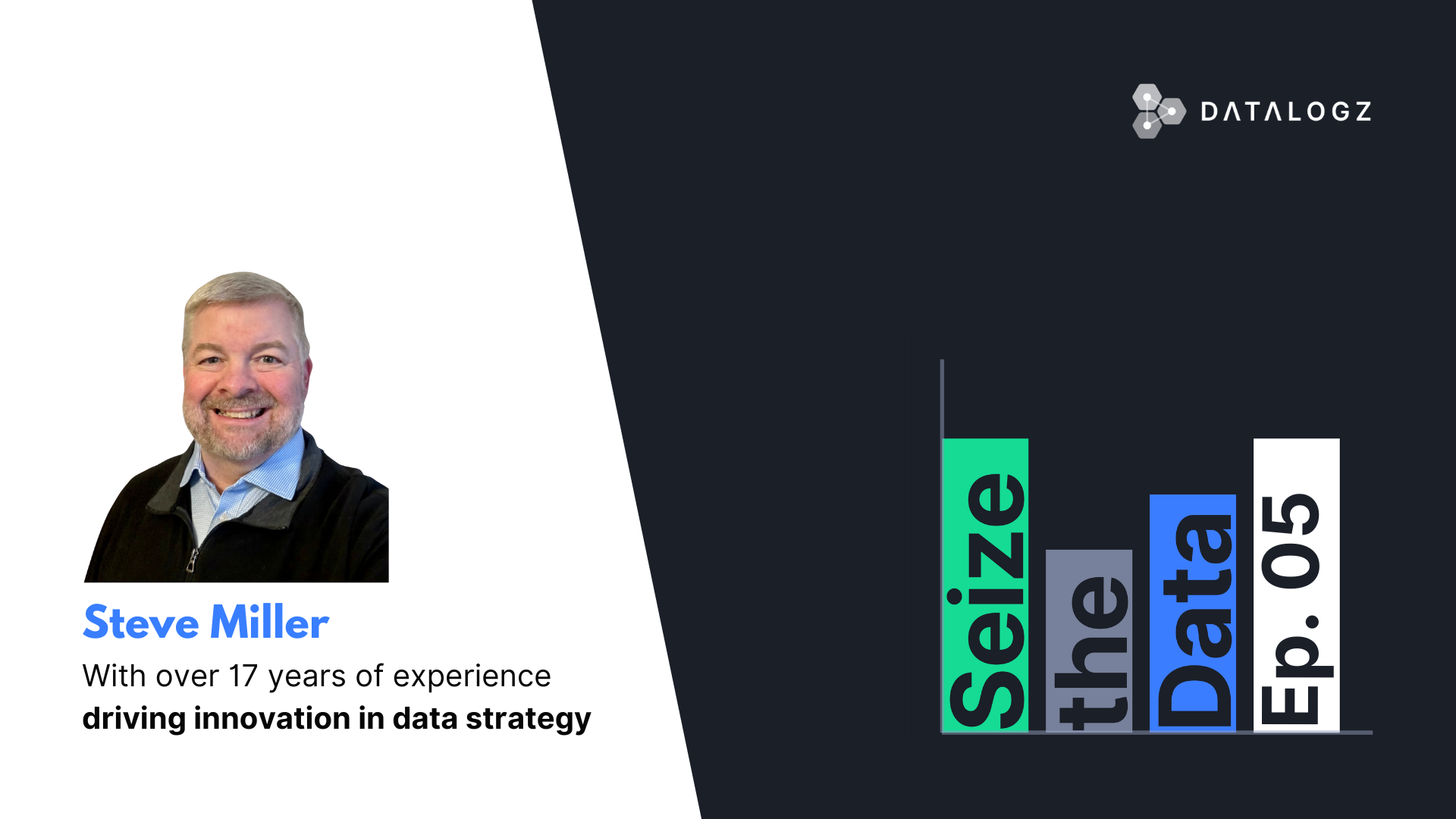
Steve is a seasoned data professional with over 17 years of experience in data strategy, marketing analytics, and technology enablement. He has led cross-functional teams at prominent companies like Signet Jewelers, Optimizely, Mixbook, and Apple, driving innovation and delivering impactful data solutions across various industries.
Future Frontiers: Navigating Enterprise Analytics in the AI Era with the former US Chief Data Scientist and CDAO of Pfizer

Calling all CDOs, CIOs, CISOs, and data leaders driving innovation in Fortune 1000 enterprises based in NYC!
Join us for a thoughtful discussion on the future of analytics and business intelligence, exploring their impact on the enterprise landscape. The panel features distinguished speakers, including DJ Patil, the former Chief Data Scientist of the United States, and Xingchu Liu, the Chief Commercial and Analytics Officer of Pfizer, with moderation by Logan Havern, CEO and Founder of Datalogz.
Frequently Asked Questions
Common questions about this topic, answered.
What is happening to Power BI Premium per capacity SKUs in 2025?
Microsoft is retiring Power BI Premium per capacity SKUs (P-SKUs) starting January 1, 2025, requiring customers to transition to Microsoft Fabric. This new platform integrates Power BI with Azure Synapse Analytics and Azure Data Factory, offering enhanced analytics capabilities in a unified environment.
What are the benefits of migrating from Power BI Premium to Microsoft Fabric?
Microsoft Fabric offers several advantages including flexible pay-as-you-go billing with diverse SKU sizes, exclusive Azure features like Trusted Workspace Access for OneLake and Managed Private Endpoints for Spark, and the ability to apply spending toward Microsoft Azure Consumption Commitment (MACC). Organizations can also dynamically scale and pause capacities during low-activity periods to reduce costs.
How do I prepare my Power BI environment for migration to Microsoft Fabric?
Before migrating, you need to audit your existing BI assets to identify which dashboards and reports are actively used versus redundant. Datalogz helps enterprises prepare for this transition by providing usage analytics, asset scoring, and governance insights across Power BI environments—having already identified over 1.4 million optimization issues across customer deployments that help prioritize what to migrate.
What tools can help manage Power BI governance during the Fabric transition?
BI observability platforms like Datalogz can facilitate seamless transitions by tracking usage patterns, identifying unused content, and scoring asset complexity before migration. With over 720,000 BI assets governed across its customer base, Datalogz provides the metadata extraction and lifecycle management capabilities needed to ensure only valuable content moves to the new platform.
Will my Power BI reports and dashboards still work after moving to Microsoft Fabric?
Microsoft Fabric preserves the core strengths of Power BI, so existing reports and dashboards should continue to function. However, enterprises should audit their BI assets before migration to clean up redundant content and optimize licensing costs—cost management alerts alone have surfaced over $8.2M in avoidable BI spend across Datalogz customers preparing for similar platform transitions.